Devrecar
Close
DevrecarLogo
     MENU

Antalya Golden Cradle Cave
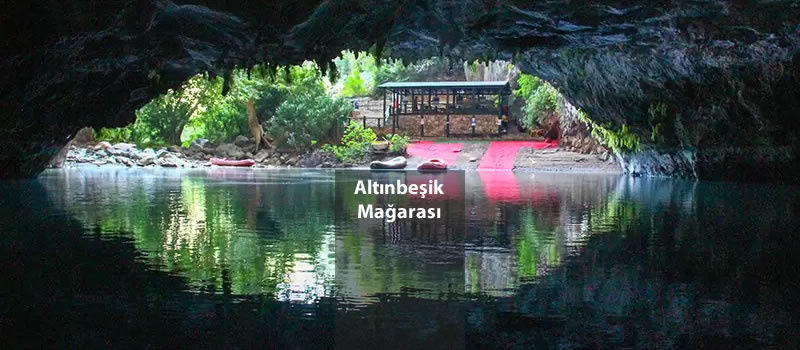
Antalya Golden Cradle Cave
Located in the Akseki district of Antalya, deep within the Taurus Mountains, the Altınbeşik Cave is a natural wonder that holds the title of being Turkey's largest and Europe's third largest underground lake cave. Described as a "hidden paradise beneath the earth," this cave offers visitors a fairytale atmosphere and a unique visual feast.
The Mysterious Gateway of the Taurus Mountains: Altınbeşik Cave


Located on the western slope of the Manavgat Valley in northern Antalya, the Altınbeşik Cave takes its name from the Altınbeşik Hill in which it is situated. Declared a national park in 1994, the area is a favorite destination for nature lovers, both for its geological structure and the unique boat tour experience it offers.

One of the World's Few Underground Lakes


The most striking feature of the cave is its enormous underground lake, which begins at the entrance and is approximately 125 meters long. Although the cave's total length reaches 2,500 meters, tourist visits are generally limited to the first section, which can only be reached by boat.
Turquoise Waters: The color of the water inside the cave, combined with the play of light, takes on a captivating turquoise hue.
Natural Acoustics: In the silence of the cave, hearing only the sound of oars and the water droplets falling from the ceiling gives visitors a meditative peace.

Architectural Marvel: Travertines and Stalactites


Altınbeşik Cave is not just a body of water. The formations at the end of the cave, known as "white travertines," amaze visitors with their appearance reminiscent of Pamukkale. The gigantic stalactites, stalagmites, and columns, formed over thousands of years, are like works of art patiently crafted by nature.

Ürünlü Village and Button Houses


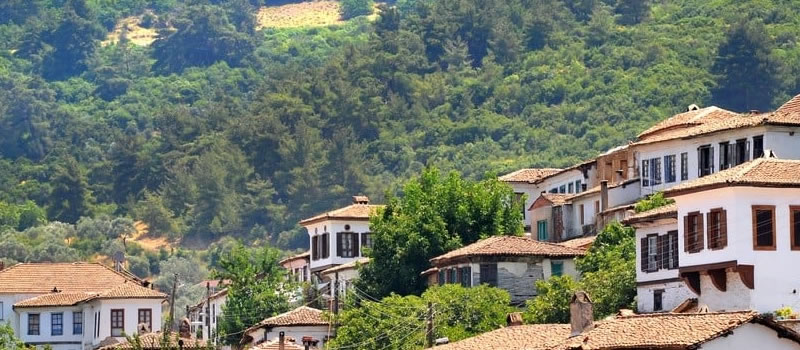
The road to Altınbeşik Cave passes through Ürünlü Village, another cultural heritage site of the region. Visitors to this area have the chance to see the famous **"Button Houses"**, unique to the Akseki and İbradı regions, built solely from stone and wood without mortar. The architectural texture of these houses is in perfect harmony with the history and nature of the region.
Popular Contents

Close