Antalya Karain Cave

In the northwest of Antalya, as you move away from the blue of the sea and towards the foothills of the Taurus Mountains, you are greeted by a natural wonder that holds the deepest roots of human history: Karain Cave. One of the most important Paleolithic (Old Stone Age) centers not only in Türkiye but also in the world, this cave is a time tunnel spanning approximately half a million years.
Located 27 kilometers from Antalya, within the boundaries of Yağca Village, Karain Cave is approximately 430 meters above sea level. Situated on the limestone slopes of Mount Katran, this cave continues to shed light on human history through excavations that have been ongoing since 1946.
500,000 Years of Uninterrupted History
The most important feature that distinguishes Karain from many other caves in the world is that it offers uninterrupted settlement from the Lower Paleolithic period to the Roman and Byzantine periods. This means the cave was used by humans as a shelter, storage area, or sacred space for half a million years.
Neanderthal Traces: Excavations in the cave have unearthed the oldest known human remains in Anatolia (Neanderthal-era teeth and skeletal fragments).
Ancient Animals: Bone remains found in the cave prove that hippos, elephants, and rhinoceroses once lived in this region, which now has a Mediterranean climate.
Interior Structure and Galleries of the Cave
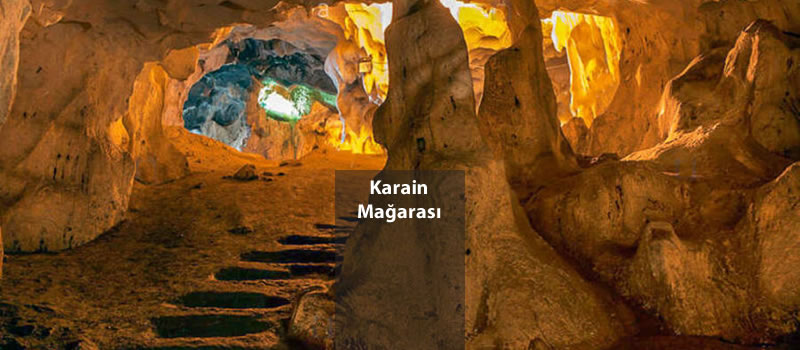
Karain consists of three main chambers (halls) connected by narrow passages. The humid air and dim lighting inside offer visitors a prehistoric atmosphere.
Visual Feast: The gigantic stalactites and stalagmites formed over thousands of years on the ceilings and walls of the cave transform it into a natural art gallery.
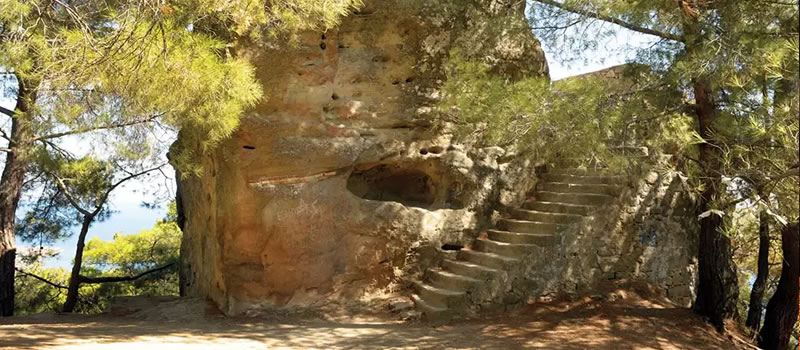
Vow Niches: On the outer wall at the entrance of the cave, Greek inscriptions and niches are noticeable. This suggests that the cave was used as a sacred site (temple) for a "mountain goddess" cult during the Late Roman period.
Anatolia's Oldest "House": Karain Cave
Located 27 kilometers from Antalya, within the boundaries of Yağca Village, Karain Cave is approximately 430 meters above sea level. Situated on the limestone slopes of Mount Katran, this cave continues to shed light on human history through excavations that have been ongoing since 1946.
500,000 Years of Uninterrupted History
The most important feature that distinguishes Karain from many other caves in the world is that it offers uninterrupted settlement from the Lower Paleolithic period to the Roman and Byzantine periods. This means the cave was used by humans as a shelter, storage area, or sacred space for half a million years.
Neanderthal Traces: Excavations in the cave have unearthed the oldest known human remains in Anatolia (Neanderthal-era teeth and skeletal fragments).
Ancient Animals: Bone remains found in the cave prove that hippos, elephants, and rhinoceroses once lived in this region, which now has a Mediterranean climate.
Interior Structure and Galleries of the Cave
Karain consists of three main chambers (halls) connected by narrow passages. The humid air and dim lighting inside offer visitors a prehistoric atmosphere.
Visual Feast: The gigantic stalactites and stalagmites formed over thousands of years on the ceilings and walls of the cave transform it into a natural art gallery.
Vow Niches: On the outer wall at the entrance of the cave, Greek inscriptions and niches are noticeable. This suggests that the cave was used as a sacred site (temple) for a "mountain goddess" cult during the Late Roman period.