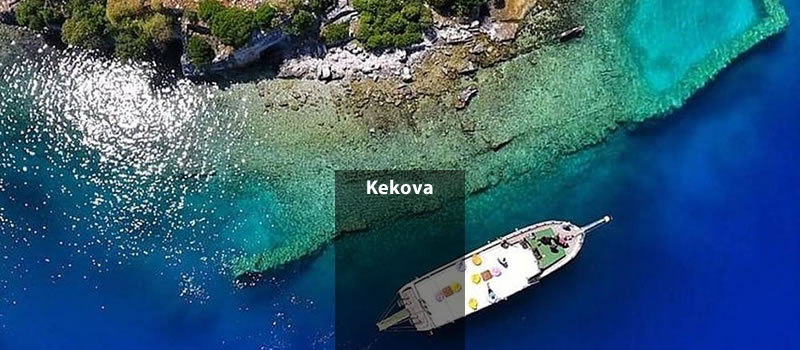
Antalya Kekova

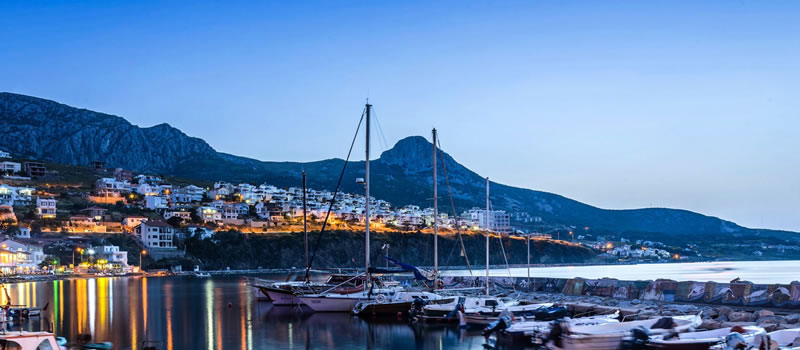
Located west of Antalya, between Demre and Kaş, Kekova is more than just an island; with its sunken cities, crystal-clear bays, and sarcophagi rising from the waters, it is one of Turkey's most extraordinary coastlines. It is one of the rare places where history and nature are so intertwined, and time seems to stand still.
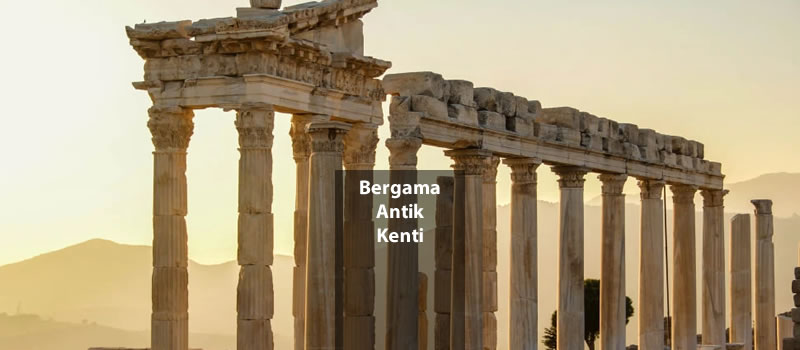
The most important feature that makes the Kekova region world-famous is the ancient city of Dolchiste, which was submerged underwater as a result of violent earthquakes in the 2nd century AD.
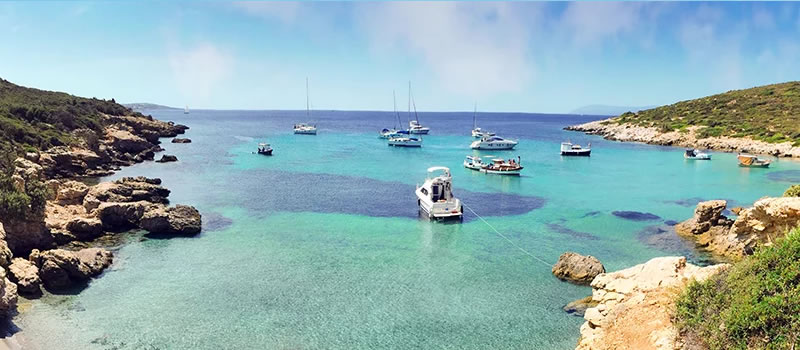
Kaleköy (Simena): Located directly opposite Kekova Island on the mainland, but without road access, Kaleköy is one of Turkey's most characteristic settlements.
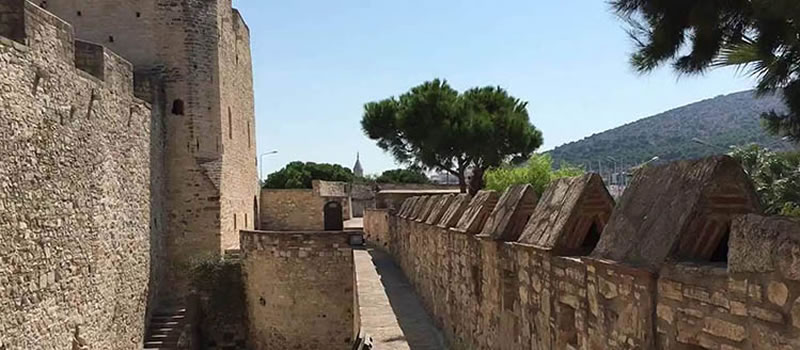
Medieval Castle: When you climb to the castle at the top of the village, a magnificent panoramic view encompassing all the islands and bays of Kekova awaits you.
The Sarcophagus in the Water: The Lycian sarcophagus, standing alone in the middle of the sea, has become a symbol of Kaleköy and is the most photographed spot in the region.
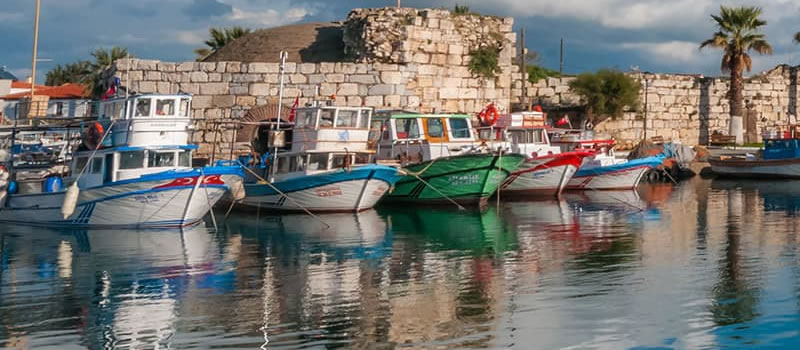
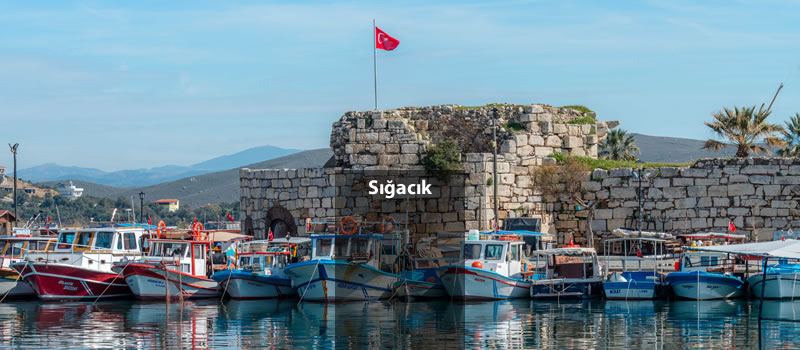
Üçağız: Üçağız Village, the land gateway to the Kekova region, is built on the ruins of the ancient city of Theimussa. With its tranquil fish restaurants, guesthouses, and boats, it is the heart of the region.
When you go on a Kekova tour, there are some stops your boat will definitely visit:
Tersane Bay: This is the only place on the island where you can swim. Here you can see the ruins of a Byzantine-era church and swim among ancient ruins.
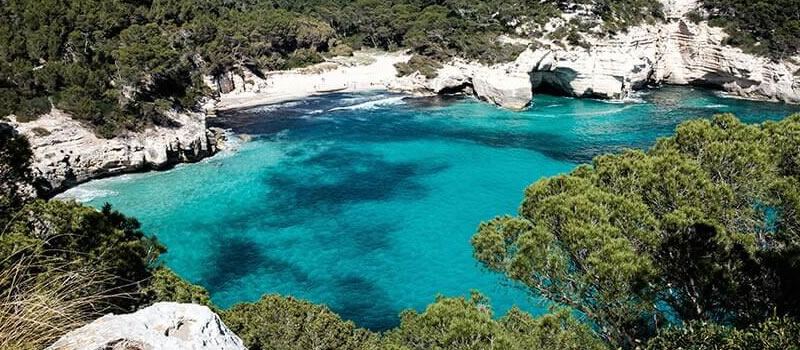
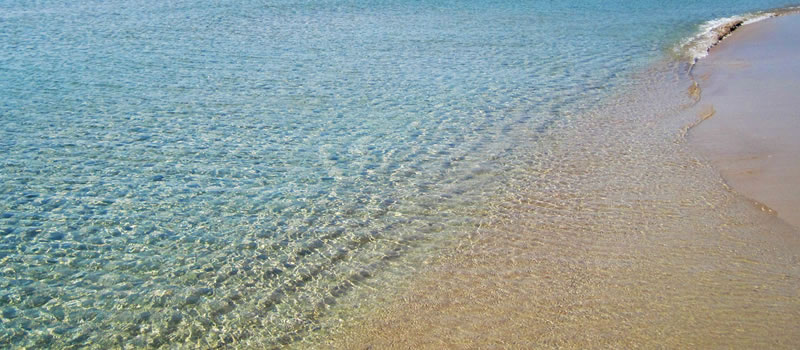
Aquarium Bay: As the name suggests, thanks to the clarity of the water, you can see meters deep as if you were looking through a glass pane.
Hamidiye Bay: A quiet bay of historical significance where Rauf Orbay and the Hamidiye Cruiser hid during World War I.
1. Stop: Phaselis Ancient City and Bay (45 km)
2. Stop: Olympos and Adrasan Junction (80 km)
3. Stop: Finike - Demre Coastal Road (110 km)
4. Stop: Demre (Myra & St. Nicholas Church) (140 km)
5. Arrival: Üçağız Village (Gateway to Kekova) (170 km)
History Under the Water: Kekova and the Sunken City
The most important feature that makes the Kekova region world-famous is the ancient city of Dolchiste, which was submerged underwater as a result of violent earthquakes in the 2nd century AD.
Kaleköy (Simena): Located directly opposite Kekova Island on the mainland, but without road access, Kaleköy is one of Turkey's most characteristic settlements.
Medieval Castle: When you climb to the castle at the top of the village, a magnificent panoramic view encompassing all the islands and bays of Kekova awaits you.
The Sarcophagus in the Water: The Lycian sarcophagus, standing alone in the middle of the sea, has become a symbol of Kaleköy and is the most photographed spot in the region.
Üçağız: Üçağız Village, the land gateway to the Kekova region, is built on the ruins of the ancient city of Theimussa. With its tranquil fish restaurants, guesthouses, and boats, it is the heart of the region.
Blue Cruise in Kekova: The Most Beautiful Bays
When you go on a Kekova tour, there are some stops your boat will definitely visit:
Tersane Bay: This is the only place on the island where you can swim. Here you can see the ruins of a Byzantine-era church and swim among ancient ruins.
Aquarium Bay: As the name suggests, thanks to the clarity of the water, you can see meters deep as if you were looking through a glass pane.
Hamidiye Bay: A quiet bay of historical significance where Rauf Orbay and the Hamidiye Cruiser hid during World War I.
Stop by Stop Kekova Route
1. Stop: Phaselis Ancient City and Bay (45 km)
2. Stop: Olympos and Adrasan Junction (80 km)
3. Stop: Finike - Demre Coastal Road (110 km)
4. Stop: Demre (Myra & St. Nicholas Church) (140 km)
5. Arrival: Üçağız Village (Gateway to Kekova) (170 km)