Devrecar
Close
DevrecarLogo
     MENU

Antalya Xanthos Ancient City
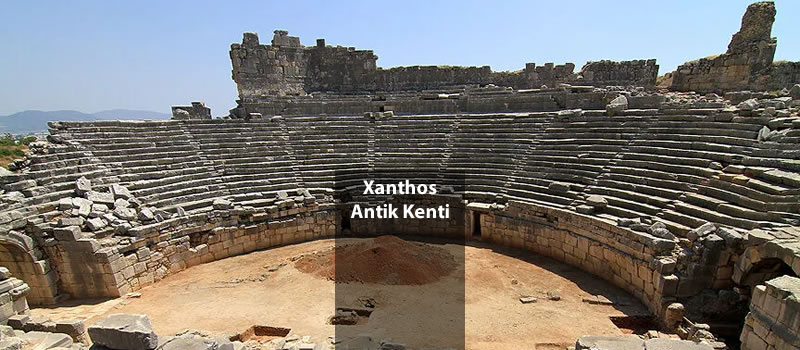
Antalya Xanthos Ancient City
Located near Kaş district of Antalya, on the Muğla-Antalya border, the ancient city of Xanthos is not only an archaeological site but also a sorrowful capital city steeped in history for its passion for freedom. This ancient city, the administrative and religious center of the Lycian League, has been on the UNESCO World Heritage List since 1988.
The Sorrowful Capital of Lycia: The Ancient City of Xanthos


Situated on the banks of the Eşen River (anciently known as the Xanthos River) west of Antalya, Xanthos was the largest and most powerful city in Lycian history. With a history dating back to the 8th century BC, Xanthos is considered the heart of the democratic structure of Lycia, the "Land of Light."
An Epic Written for Freedom
Xanthos is known in history for its warrior spirit and its people who preferred death to surrender. The city has experienced two major mass suicide incidents in its history:

Persian Invasion (545 BC): The people of Xanthos, who had fought heroically against the armies of the Persian commander Harpagos, gathered their women, children, and treasures in the citadel and set it on fire when they realized they were about to be defeated. They then jumped into the flames themselves, committing suicide.

Brutus Period (42 BC): When the Roman Brutus besieged the city, the people repeated the same tragedy, choosing death rather than surrender. It is said that Brutus was so moved by this that he rewarded his soldiers who managed to save at least a group of Xanthosians.

Architectural Heritage of Xanthos


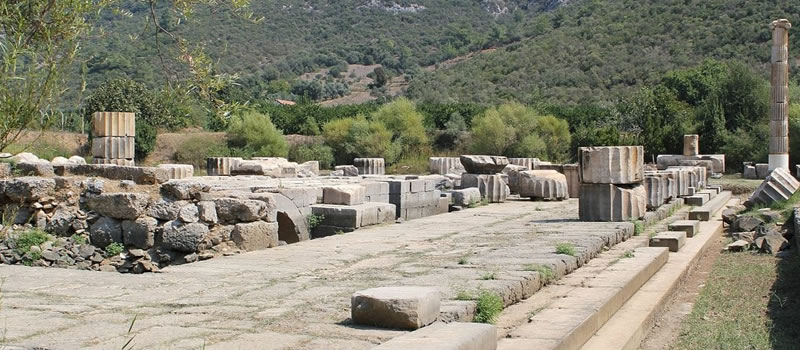
The city has a unique appearance, blending Lycian rock tombs with Roman-era structures.

Harpy Monument: This tower-type tomb is famous for its mythological reliefs. The original reliefs are currently on display at the British Museum.

Xanthos Obelisk (Xanthos Inscription): This obelisk, the longest inscription written in the Lycian language, is one of the most important documents illuminating Lycian history.

Ancient Theatre and Agora: Reflecting the splendor of the Roman period, the theatre is proof of how vibrant the city's social life was.

Lycian-Style Sarcophagi: Enormous stone sarcophagi rising to the sky are found almost everywhere in Xanthos, defining the city's silhouette.

UNESCO Heritage and Letoon Connection


Xanthos, along with its neighbor and the religious center of Lycia, Letoon, is on the UNESCO list. These two ancient cities form one of the most critical stops on the Lycian Way. The political power of Xanthos combined with the spiritual power of Letoon to form one of the most unique civilizations of the ancient world.
Popular Contents

Close