MENU

Historical Treasures of the Aegean
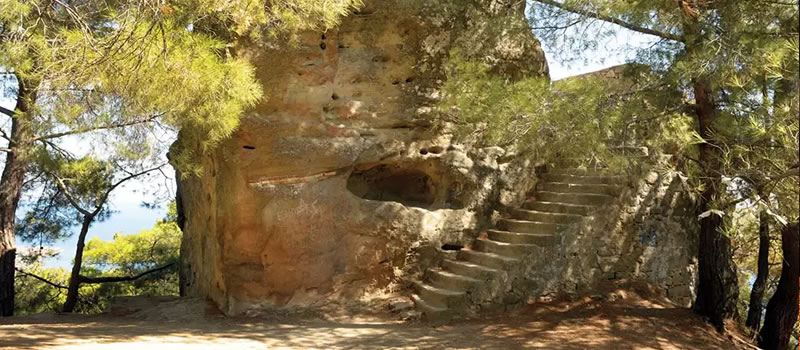
Historical Treasures of the AegeanWestern Anatolia is a vast open-air museum where some of the most glorious pages of human history were written, and where Eastern and Western cultures mingled. This region, where blue and green meet, is one of the world's most important tourist destinations, not only for its natural beauty but also for its ancient cities bearing the traces of thousands of years of history.
Let's Explore the Aegean, the Meeting Point of Civilizations

This region, stretching from the Aegean coast to the interior, has been home to many civilizations, from the Ionians to the Lydians, from the Romans to the Ottomans. In 2026, exploring these riches with archaeological experiences blended with technology means much more than just a journey into the past. Ephesus: Once a World Capital Located in the Selçuk district of İzmir, the ancient city of Ephesus is the brightest jewel of the West. Once the capital of the Roman Empire's Asian province, this city... It is impossible not to be captivated by the magnificent facade of the Celsus Library. The ruins of the Temple of Artemis, one of the Seven Wonders of the World, are proof of how sacred these lands were considered. Sardes: The Land Where Money Was Born The ancient city of Sardes, near Manisa, left its mark on history as the capital of the Lydian Kingdom. This city, where the first coins in history were minted, was a center of trade and wealth. Today, the enormous Temple of Artemis and the Sardes Synagogue, one of the largest synagogues of the ancient world, further solidify the region's place in religious tourism. Hierapolis and Pamukkale: A Healing Heritage Hierapolis, rising above the travertine terraces, a white miracle of nature in Denizli, was one of the most important healing centers of antiquity. Known as the "Holy City," this region appeals to both your soul and your eyes with its vast necropolis (ancient cemetery), ancient theater, and the Ancient Pool (Cleopatra's Pool) where you can still swim today. Miletus and Didyma: The Address of Science and Prophecy These two centers, located near Aydın, are the heart of philosophy and prophecy. Miletus was a center of science where philosophers like Thales flourished; while the Temple of Apollo in Didyma, one of the most important centers of prophecy in the ancient world, continues to greet visitors today with its massive columns. Ancient City of Pergamon: Pergamon, as it was known in antiquity, stood out as a major center of culture and science during the Hellenistic Period. This ancient city, which was the capital of the Kingdom of Pergamon in the 3rd century BC, is known for its large library, theater, and monumental structures. Pergamon maintained its importance during the Roman Empire period as well. The Altar of Zeus (Pergamon Temple): The Altar of Zeus, the most famous structure of Pergamon, was built by Attalos II, the ruler of the Pergamon Kingdom, in the 2nd century BC. This magnificent temple dedicated to Zeus was considered one of the seven wonders of the ancient world. Situated on a high terrace, the temple was built in the Doric order and boasts impressive architecture.