Alanya Full of Historical Traces

Alanya, the shining star of the Mediterranean, is not just a holiday resort where sun and sea meet; it is also a vast open-air museum where thousands of years of history, wars, trade, and cultures intertwine. This peninsula, stretching from the foothills of the Taurus Mountains to the blue waters of the Mediterranean, carries a whisper from the dusty pages of history in every corner.

1. From Pirate Den to Seljuk Capital
The known history of Alanya begins in ancient times with its name Coracesium. Due to its steep cliffs and sheltered harbor, it became an indispensable refuge for pirates during the Hellenistic period. Even the famous pirate Diototus Tryphon challenged Rome using it as a base.
However, Alanya's true "golden age" began in 1221 with the conquest of the city by Seljuk Sultan Alaaddin Keykubat I. The Sultan transformed the city not only into a fortress but also into a winter capital and a strategic naval base. The city's current name originates from **"Alaiye"**, derived from the Sultan's name.
2. A Crown Reaching to the Sky: Alanya Castle
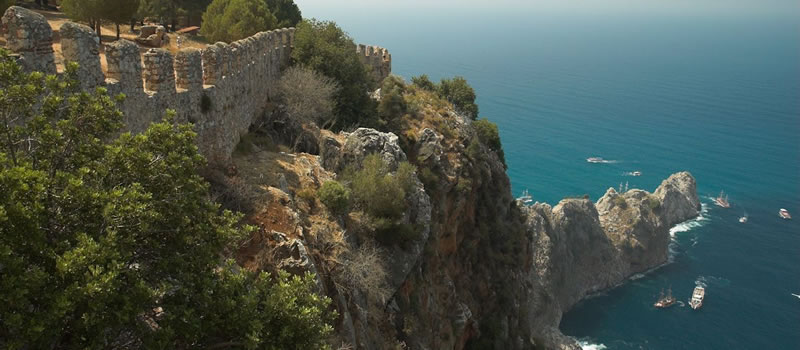
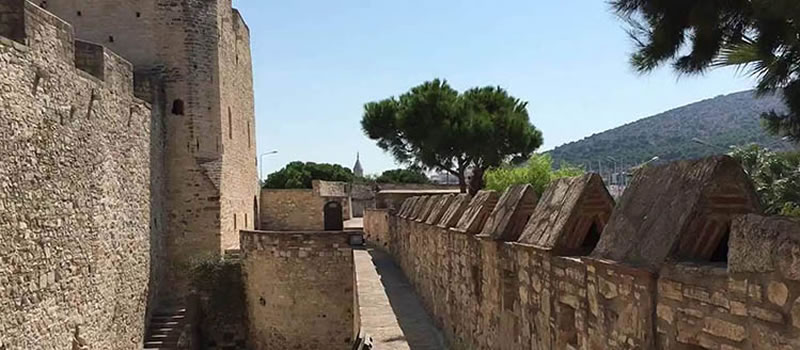
Located approximately 250 meters above sea level, Alanya Castle, with its walls totaling 6.5 kilometers in length, encircles the city like armor.
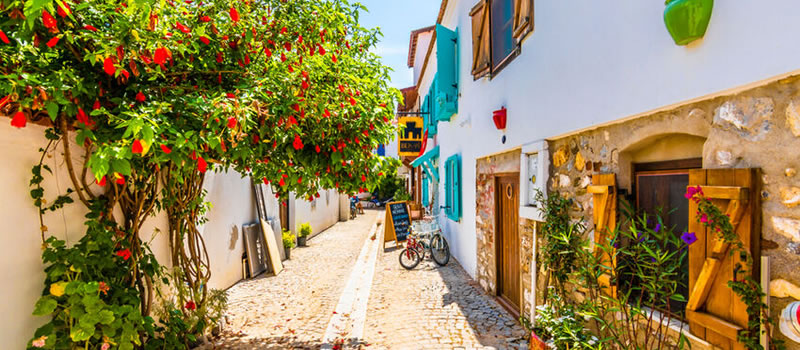
Inner Castle:
It houses the most elegant examples of Seljuk architecture, cisterns, and the remains of the Sultan's palace.
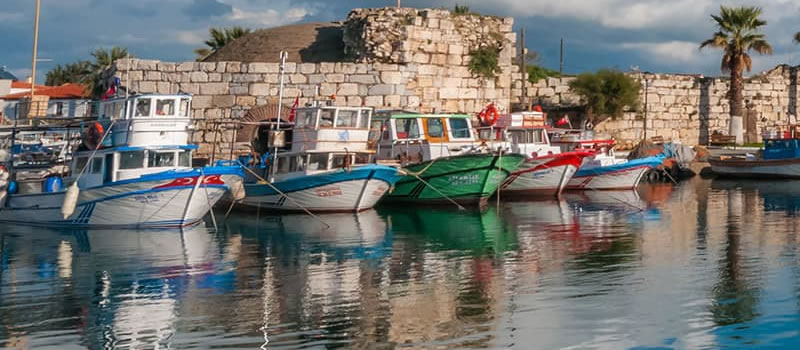
Adam Atacağı:
At the highest point of the castle, this is the legendary section where prisoners were believed to have been thrown into the abyss in ancient times.
3. Kızıl Kule and Historic Shipyard
The Kızıl Kule, guarding the harbor, was built in the 13th century to protect the city from attacks from the sea. It takes its name from the color of the baked bricks used in its construction.
Located right next to it, the Alanya Shipyard is the first shipyard of the Seljuks in the Mediterranean. This five-arched structure is not only a shipbuilding site, but also a symbol of power that cemented the Seljuk title of "Sultan of Two Seas" (Sultan-ül Bahreyn).
4. Damlataş: A Miracle of Nature and History
Alanya's history is not limited to architecture. The Damlataş Cave, discovered accidentally in 1948, reveals the city's natural history with its millions of years old stalactites and stalagmites. With its air that heals asthma sufferers and its captivating atmosphere, it is the point that launched Alanya's modern tourism adventure.
Alanya is one of the rare cities where you can see Seljuk inscriptions on one side and encounter ancient Roman ruins on the other while walking through its streets. The name "Alanya," given to the city by Atatürk during his visit in 1935, is a symbol of this ancient city's embrace with modern Turkey.
To truly understand Alanya, simply climbing to the castle isn't enough; you need to watch the sunset from there and feel what the walls have been guarding for a thousand years. How about experiencing this with a rental car?Alanya from Ancient Times to the Present
1. From Pirate Den to Seljuk Capital
The known history of Alanya begins in ancient times with its name Coracesium. Due to its steep cliffs and sheltered harbor, it became an indispensable refuge for pirates during the Hellenistic period. Even the famous pirate Diototus Tryphon challenged Rome using it as a base.
However, Alanya's true "golden age" began in 1221 with the conquest of the city by Seljuk Sultan Alaaddin Keykubat I. The Sultan transformed the city not only into a fortress but also into a winter capital and a strategic naval base. The city's current name originates from **"Alaiye"**, derived from the Sultan's name.
2. A Crown Reaching to the Sky: Alanya Castle
Located approximately 250 meters above sea level, Alanya Castle, with its walls totaling 6.5 kilometers in length, encircles the city like armor.
Inner Castle:
It houses the most elegant examples of Seljuk architecture, cisterns, and the remains of the Sultan's palace.
Adam Atacağı:
At the highest point of the castle, this is the legendary section where prisoners were believed to have been thrown into the abyss in ancient times.
3. Kızıl Kule and Historic Shipyard
The Kızıl Kule, guarding the harbor, was built in the 13th century to protect the city from attacks from the sea. It takes its name from the color of the baked bricks used in its construction.
Located right next to it, the Alanya Shipyard is the first shipyard of the Seljuks in the Mediterranean. This five-arched structure is not only a shipbuilding site, but also a symbol of power that cemented the Seljuk title of "Sultan of Two Seas" (Sultan-ül Bahreyn).
4. Damlataş: A Miracle of Nature and History
Alanya's history is not limited to architecture. The Damlataş Cave, discovered accidentally in 1948, reveals the city's natural history with its millions of years old stalactites and stalagmites. With its air that heals asthma sufferers and its captivating atmosphere, it is the point that launched Alanya's modern tourism adventure.
The Crossroads of Past and Future
Alanya is one of the rare cities where you can see Seljuk inscriptions on one side and encounter ancient Roman ruins on the other while walking through its streets. The name "Alanya," given to the city by Atatürk during his visit in 1935, is a symbol of this ancient city's embrace with modern Turkey.